Fabric Guide: Understanding Cotton, Linen, and Wool for Capsule Wardrobe Pieces
Published Date:
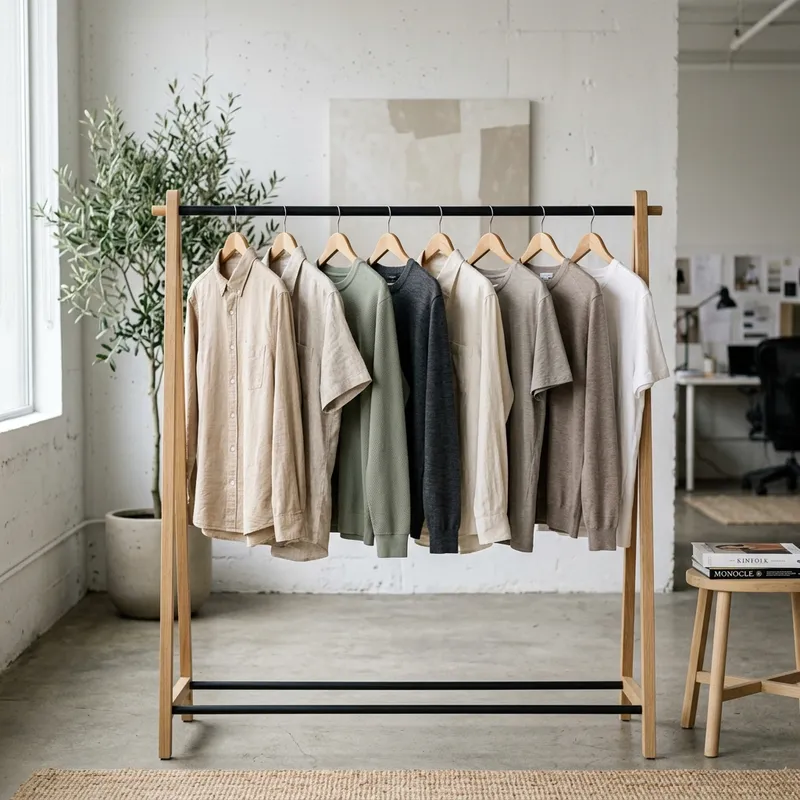
A successful capsule wardrobe relies entirely on the principle of quality over quantity. When you reduce your closet down to just 30 or 40 items, you mathematically increase how often you wear each individual piece. Because these clothes are worn and washed much more frequently, the fabrics you choose must be highly durable, incredibly breathable, and easy to maintain.
If you build a capsule wardrobe out of cheap, synthetic materials, the entire system will collapse within three months as the clothes pill, tear, and lose their shape. Understanding textiles is the secret weapon of stylish dressers. Natural fibers like cotton, linen, silk, and wool are the non-negotiable cornerstones of a high-quality wardrobe. Here is an in-depth guide on how to select the right material for your key pieces, curated by our AI styling assistant Stil.
Why Fabric Quality Dictates Wardrobe Longevity
When you look at a garment on a hanger, the design catches your eye, but the fabric dictates how it will actually look on your body.
High-quality natural fibers have a physical weight and structure that allows them to drape elegantly over human curves, rather than clinging awkwardly to them. On top of that, natural fibers are inherently breathable. They allow air to circulate against your skin, regulating your body temperature and preventing the buildup of sweat and odor-causing bacteria. This means you do not have to wash a natural fiber sweater every single time you wear it, which exponentially increases its lifespan. A deep understanding of fabric is just as crucial as understanding color theory and your skin tone when building outfits.
Step-by-Step Guide: The Core Natural Fibers
When auditing your closet or shopping for new pieces, you must learn to read the interior care tag. Here is a breakdown of the four natural fibers that should make up 90% of your wardrobe.
Step 1: Cotton (The Year-Round Foundation)
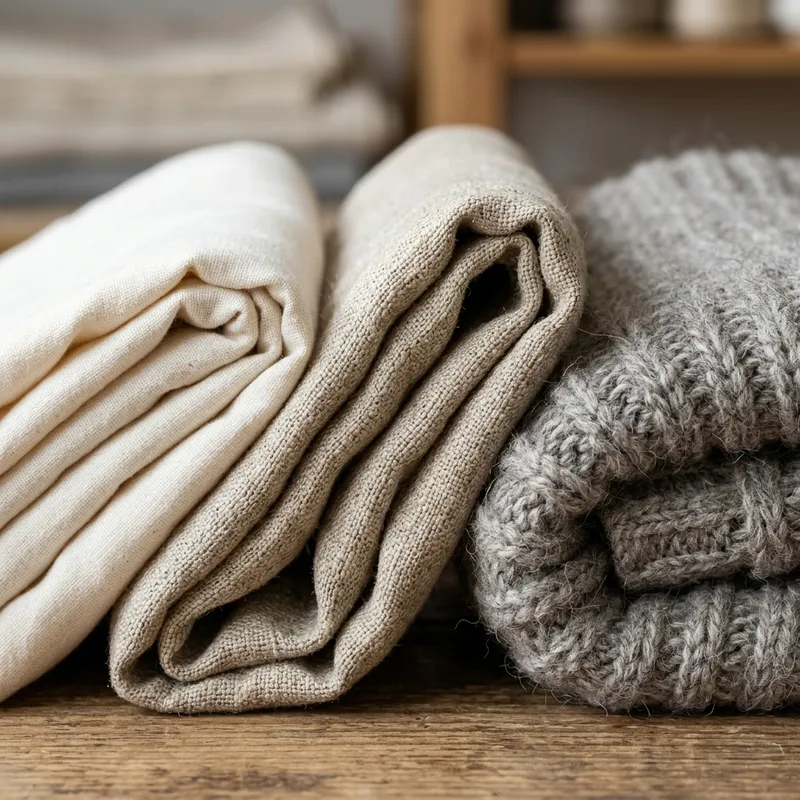
Cotton is the most versatile, universally worn natural fabric on the planet, prized for its extreme softness, durability, and breathability.
- Best for: Foundational basics like t-shirts, daily button-down shirts, trench coats, and high-quality denim jeans.
- What to look for: Not all cotton is created equal. Fast fashion cotton is woven with short, broken fibers that pill immediately. Seek out “100% organic cotton,” “Pima cotton,” or “Egyptian cotton.” These varieties use long-staple fibers that result in a smoother, stronger fabric that resists stretching and pilling even after a hundred washes.
Step 2: Linen (The Breathable Summer Hero)
Made from the stalks of the flax plant, linen is exceptionally lightweight, incredibly breathable, and highly absorbent. It draws moisture away from the skin and dries rapidly, making it the ultimate fabric for hot, humid climates.
- Best for: Summer shirts, wide-leg resort trousers, light dresses, and unstructured summer blazers.
- Care tip: Linen wrinkles the moment you look at it. You must embrace the wrinkles as part of the fabric’s relaxed, luxurious charm. Never put linen in a hot dryer, as the intense heat will permanently damage the flax fibers. Always hang it to dry to maintain its natural, organic texture.
Step 3: Wool (The Ultimate Winter Insulator)
Wool, primarily sourced from sheep, is a miraculous natural insulator. The crimped fibers create tiny pockets of trapped air that keep you incredibly warm in the freezing winter, while remaining porous enough to breathe well in cool autumn weather.
- Best for: Heavy winter outerwear, thick cable knits, and structured, tailored trousers or suits.
- What to look for: Standard sheep’s wool can feel itchy against bare skin. Look specifically for “Merino wool,” which has much finer fibers that are soft enough to wear as a base layer. If your budget allows, “Cashmere” (sourced from goats) offers the most extreme softness and warmth with a fraction of the weight of standard wool.
Step 4: Silk (The Luxurious Accent)
Silk is a natural protein fiber produced by silkworms. It is famously smooth, highly reflective, and incredibly strong despite its delicate appearance.
- Best for: Elegant blouses, evening dresses, scarves, and camisoles. Silk drapes beautifully and instantly elevates the formality of any outfit. Because it is highly reflective, a silk blouse will bounce light onto your face, making your skin look luminous.
- Care tip: Silk is notoriously difficult to care for. It usually requires specialized dry cleaning or extremely gentle, cold hand-washing. Keep silk away from direct, harsh sunlight when drying, as UV rays will degrade the protein fibers over time.
Prevention: The Hidden Dangers of Synthetics
To protect the integrity of your capsule wardrobe, you must aggressively avoid petroleum-based synthetic fabrics. These include Polyester, Acrylic, and Nylon.
Synthetics are essentially wearable plastics. Because plastic is not porous, these fabrics trap all your body heat and sweat against your skin, creating a greenhouse effect. This is why cheap polyester blouses often smell terrible after just one hour of wear. What’s more, synthetic fabrics generate massive amounts of static electricity (causing clothes to cling unflatteringly) and shed harmful microplastics into the water supply every time you run your washing machine.
While a small percentage of synthetic fiber (like 2% elastane or spandex in a pair of jeans) is acceptable and often necessary for stretch and mobility, you should never buy a core foundational garment (like a sweater or a t-shirt) that is made primarily of polyester or acrylic.
When to Seek More Help or Watch for Edge Cases
There is one major edge case where synthetic fabrics absolutely outperform natural fibers: extreme athletic wear and technical travel gear.
If you are a marathon runner, a 100% cotton t-shirt is dangerous; cotton absorbs sweat and holds onto it, becoming heavy, wet, and cold. In extreme sports, you need specialized, moisture-wicking synthetic blends designed specifically to pull sweat off the body. Similarly, if you are learning how to pack a capsule wardrobe for a 7-day trip that involves heavy hiking or extreme humidity, technical synthetic blends that can be washed in a hotel sink and dried in 20 minutes are vastly superior to heavy cotton or wrinkly linen. In these highly active scenarios, prioritize technical function over traditional slow-fashion fiber rules.
Quick Summary
- Quality dictates longevity: A minimalist wardrobe requires durable natural fibers to survive frequent wearing and washing.
- Cotton for basics: Choose long-staple Pima or organic cotton for t-shirts and denim to prevent immediate pilling and stretching.
- Linen for summer: Embrace the natural wrinkles of flax-based linen for unparalleled breathability in hot, humid climates.
- Wool for winter: Merino wool and cashmere provide incredible warmth and structural integrity without the heavy weight.
- Avoid cheap synthetics: Polyester and acrylic trap sweat, generate static cling, and pollute the environment with microplastics.
- The athletic exception: Technical synthetic blends are acceptable and necessary for extreme sports and active travel scenarios.
Frequently Asked Questions
Is viscose/rayon a natural or synthetic fabric?
Viscose (also called rayon) is considered a “semi-synthetic” fabric. It is made from natural wood pulp (cellulose), but the pulp is treated with heavy, toxic chemicals to turn it into a soft fiber. While it drapes nicely and is breathable, it is highly prone to shrinking and losing its shape when wet.
Why do my wool sweaters always shrink in the wash?
Wool fibers have microscopic scales on them. When exposed to hot water and the aggressive agitation of a washing machine, these scales lock together permanently in a process called “felting,” which severely shrinks the garment. Always hand wash wool in cold water and lay it flat to dry.
Is it worth paying extra for 100% organic cotton?
Yes. Organic cotton is grown without toxic synthetic pesticides, which is better for the environment and safer for the farmers. Also, because organic cotton is often hand-picked rather than machine-harvested, the fibers are longer and stronger, resulting in a softer, more durable garment.
Can I iron my linen shirts to remove all the wrinkles?
You can iron linen on a high-heat setting while the fabric is slightly damp, which will remove the wrinkles temporarily. However, the moment you put the shirt on and sit down, it will wrinkle again. It is much less stressful to simply embrace the natural, rumpled texture of the fabric.
Are cheap cashmere sweaters worth buying?
Usually, no. Cheap cashmere is made from the short, broken hairs of the goat rather than the long, premium hairs. As a result, a $50 fast-fashion cashmere sweater will begin to pill uncontrollably under the arms after just three wears. It is better to invest in high-quality merino wool than cheap cashmere.
Build Your Perfect Capsule Wardrobe with Stil!
Struggling to match your outfits and organize your closet? Download the Stil app. Create a digital closet, analyze your personal skin undertone, and get daily weather-appropriate outfit suggestions. Download Stil Now and define your style today!