Fast Fashion vs Slow Fashion: Why High-Quality Basics Save Money
Published Date:
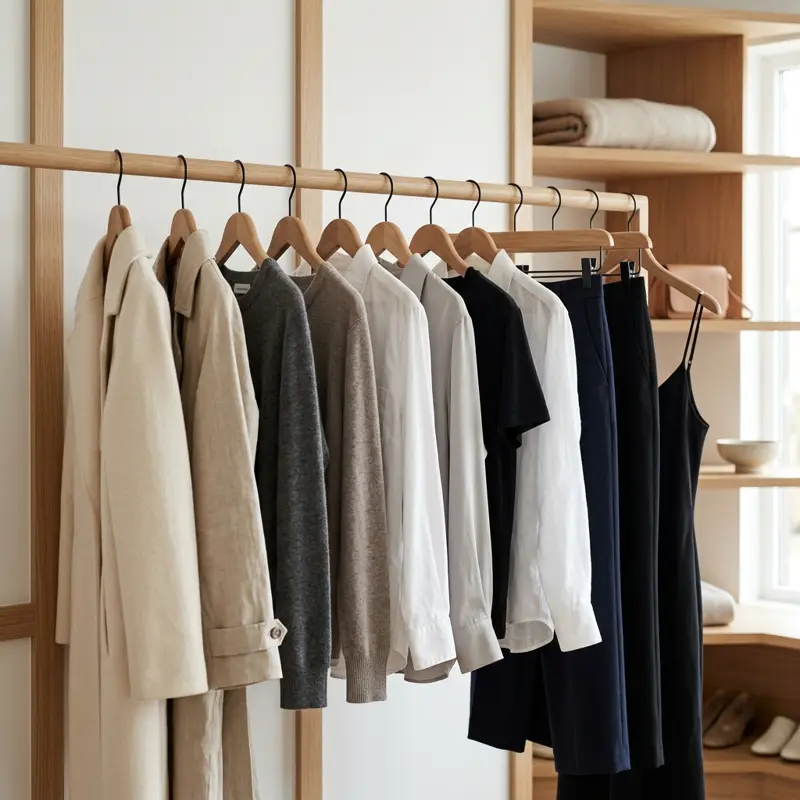
We have all experienced this incredibly frustrating morning scenario: standing in front of a closet absolutely bursting with clothes, hangers crammed together, yet feeling a deep, anxious certainty that we have “absolutely nothing to wear.”
This is not a failure of your personal style; this is the classic, intentional symptom of the fast fashion cycle. Fast fashion brands produce extremely cheap, highly trendy garments designed to be worn only a handful of times before they inevitably shrink, tear, pill, or completely fall out of style. In stark contrast, slow fashion focuses on quality, environmental sustainability, ethical production, and longevity. While buying high-quality basics might seem significantly more expensive upfront, adopting a slow fashion mindset actually saves you a massive amount of money in the long run.
Here is a breakdown of why investing in high-quality basics is the single best financial and stylistic decision you can make, curated by our AI wardrobe assistant Stil.
The True Cost of the Fast Fashion Cycle
The fast fashion business model relies entirely on manufactured obsolescence and rapid trend cycles. Fifty years ago, the fashion industry had two seasons: Spring/Summer and Autumn/Winter. Today, fast fashion retailers introduce “micro-seasons,” dropping hundreds of new styles on their websites every single week.
This creates a constant psychological pressure to buy more to stay relevant. When you purchase a $12 neon top, the low price tag makes it feel like a harmless, zero-risk impulse buy. However, because the item is so uniquely trendy, you can only pair it with one specific skirt, meaning you rarely wear it. When you finally do wash it, the cheap, poorly spun synthetic threads warp, and the shirt loses its shape entirely. You throw it away three months later and buy another $12 shirt. You are effectively renting poor-quality clothing rather than owning a wardrobe. This cycle ensures that your closet is always full, yet you never feel truly well-dressed.
Step-by-Step Solution: Transitioning to Slow Fashion
Breaking the addiction to fast fashion requires a fundamental shift in how you evaluate the value of clothing. You must stop looking at the initial price tag and start looking at the long-term utility of the garment. Here is how to make the transition.
Step 1: Calculate Cost-Per-Wear (CPW)
The true financial value of a garment is never its retail price; it is its Cost-Per-Wear (CPW). You calculate this by dividing the price of the item by the number of times you will realistically wear it.
- The Fast Fashion Math: You buy a cheap polyester trend shirt for $15. It shrinks or goes out of style after 3 wears. Your CPW is $5.00 per wear.
- The Slow Fashion Math: You invest in a premium, heavy-weight organic cotton t-shirt for $45. Because it is a classic basic, it pairs with everything, and the high-quality fabric survives 50 washes without losing shape. Your CPW is $0.90 per wear. By focusing on CPW, it becomes mathematically obvious that investing in quality actually saves you money over a two-year period.
Step 2: Prioritize Natural Fabrics
Fast fashion relies heavily on cheap, petroleum-based synthetic fibers like polyester, acrylic, and nylon. These fabrics do not breathe, trapping heat and sweat against your body and absorbing odors that are nearly impossible to wash out.
- The Protocol: When transitioning to slow fashion, you must become a label-reader. Refuse to buy items made primarily of synthetics. Instead, invest in natural, durable fibers: 100% organic cotton, pure linen for summer, and merino wool or cashmere for winter. Natural fibers regulate body temperature, drape beautifully on the human form, and look instantly more expensive and chic.
Step 3: Embrace the 30-Wears Challenge
Before you hand over your credit card for any new piece of clothing, you must ask yourself the golden question of the slow fashion movement: “Will I realistically wear this item a minimum of 30 times?”
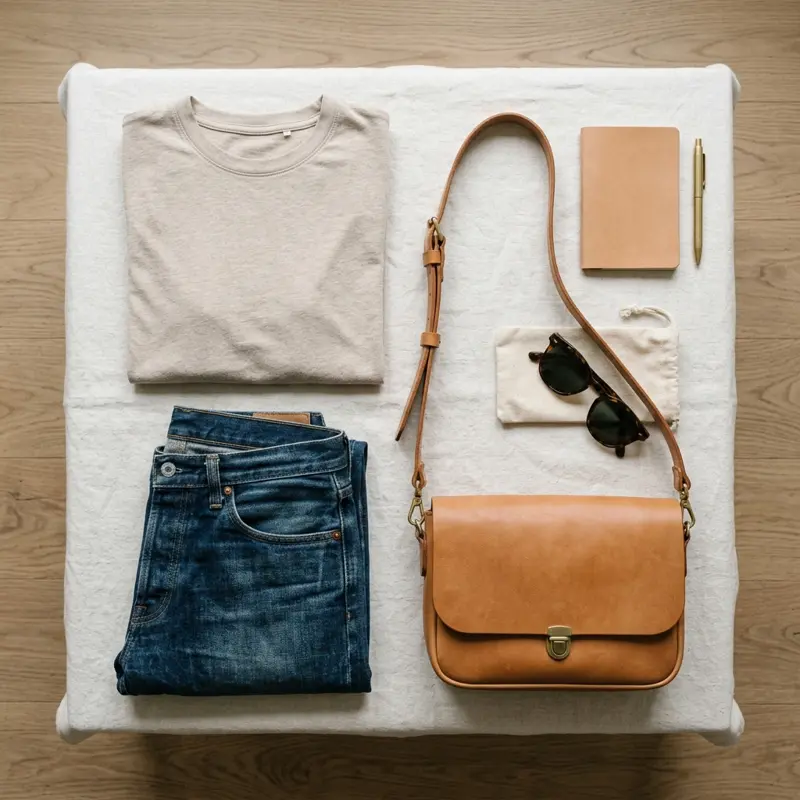
- The Execution: If you are buying a sequined hot-pink blazer for a specific New Year’s Eve party, the answer is no. Put it back. If you are buying a beautifully tailored, classic navy wool coat, the answer is a resounding yes. This strict 30-wears threshold forces you to build a minimalist capsule wardrobe from scratch, ensuring every piece you buy is highly versatile.
The Environmental and Ethical Impact
Beyond the financial savings, the transition to slow fashion is a moral imperative. The fast fashion industry is the second-largest polluter in the world, just behind the oil industry.
When you throw away a cheap polyester sweater, it does not decompose. It sits in a landfill for hundreds of years, slowly releasing microplastics into the groundwater. On top of that, the artificially low prices of fast fashion are only possible through the severe exploitation of garment workers in developing nations, who are often forced to work in unsafe conditions for unlivable wages. When you choose to buy fewer, higher-quality items from transparent, ethical brands, you are actively voting against environmental destruction and human exploitation with your wallet.
Prevention: How to Resist Impulse Buying
The fast fashion industry spends billions of dollars on targeted social media advertising specifically designed to trigger impulse buys. To protect your capsule wardrobe (and your bank account), you must put up preventative guardrails.
- The 48-Hour Cart Rule: Never buy clothing the moment you see it online. Put the item in your digital shopping cart and close the tab. Force yourself to wait 48 hours. In 90% of cases, the dopamine rush of the impulse will fade, and you will realize you do not actually need or want the item.
- Unsubscribe Ruthlessly: Your email inbox and social media feeds are battlegrounds. Unsubscribe from all fast-fashion marketing emails. Unfollow “haul” influencers on Instagram and TikTok whose entire brand revolves around constantly buying massive quantities of cheap clothes. Replace them with content creators who focus on styling basics and outfit repeating.
- Conduct Regular Audits: Perform a strict closet audit and declutter step-by-step every six months. Seeing exactly what you already own prevents you from accidentally buying a fourth black sweater.
When to Seek More Help or Watch for Edge Cases
A common and highly valid criticism of the slow fashion movement is that ethical, sustainable clothing brands are often prohibitively expensive for people living paycheck to paycheck, and rarely offer inclusive plus-size options.
If you are on a very strict budget or require extended sizing that ethical brands do not cater to, you do not have to abandon the principles of slow fashion. Slow fashion is not just about what you buy; it is about how you consume. In these edge cases, turn to the secondhand market. Buying high-quality, pre-owned garments from thrift stores, consignment shops, or apps like Poshmark and Vinted is the ultimate form of slow fashion. You are rescuing garments from the landfill and acquiring high-quality fabrics at fast-fashion prices. Even if you must buy from a fast-fashion retailer due to budget constraints, applying the “30-wears rule” to that purchase still makes you a more conscious consumer.
Quick Summary
- Fast fashion is a trap: Cheap clothes are designed to fall apart quickly, forcing you into a constant cycle of purchasing.
- Calculate CPW: Cost-Per-Wear is the true metric of value; a $50 shirt worn 50 times is cheaper than a $10 shirt worn twice.
- Read the labels: Ditch sweaty polyester and acrylic for breathable, durable natural fibers like cotton, wool, and linen.
- The 30-Wears rule: Never buy an item unless you can confidently guarantee you will wear it at least 30 times.
- Stop the impulse: Leave online items in your cart for 48 hours to kill the dopamine-driven urge to impulse buy.
- Thrift when necessary: If ethical brands are out of your budget, shopping secondhand is the ultimate sustainable hack.
Frequently Asked Questions
Is it okay to buy fast fashion if I keep the clothes for years?
Yes! The core problem with fast fashion is the rapid disposal of garments. If you buy a cheap t-shirt but take excellent care of it, wash it on cold, air dry it, and wear it for five years, you are actively practicing the slow fashion mindset. Longevity is the goal.
How can I tell if a garment is high quality before buying it?
Check the seams. High-quality garments have tight, even stitching with no loose threads. Hold the fabric up to the light; if a cotton t-shirt is nearly transparent, it is low quality. Finally, always check the interior tag for the fiber composition (aim for 100% natural fibers).
What should I do with my old fast fashion clothes?
Do not throw them in the trash. Wear them until they are completely worn out. If they are still in good condition, donate them to local shelters, sell them on secondhand apps, or swap them with friends. If they are torn or stained, cut them up and use them as household cleaning rags.
Why are ethical and sustainable clothing brands so expensive?
Ethical brands pay their factory workers living wages, provide safe working conditions, and use organic farming practices that do not poison the local water supply with toxic dyes. You are paying the true, human cost of producing a garment, rather than an artificially suppressed price.
Does building a slow fashion wardrobe mean my style will be boring?
Not at all. While the foundation should be neutral basics, slow fashion highly encourages investing in unique, high-quality statement pieces (like a beautiful vintage leather jacket or a handmade silk scarf) that express your personality far better than mass-produced trendy items ever could.
Optimize Your Closet with Stil!
Unsure how to start building your capsule wardrobe or what colors suit you best? Download the Stil app. Stil analyzes your skin undertones to recommend the perfect color palette, helps you organize your digital closet, and generates stylish outfit combinations based on your local weather forecast. Download Stil App Now and define your personal style today!