How to Find Your Personal Style: A Practical Framework
Published Date:
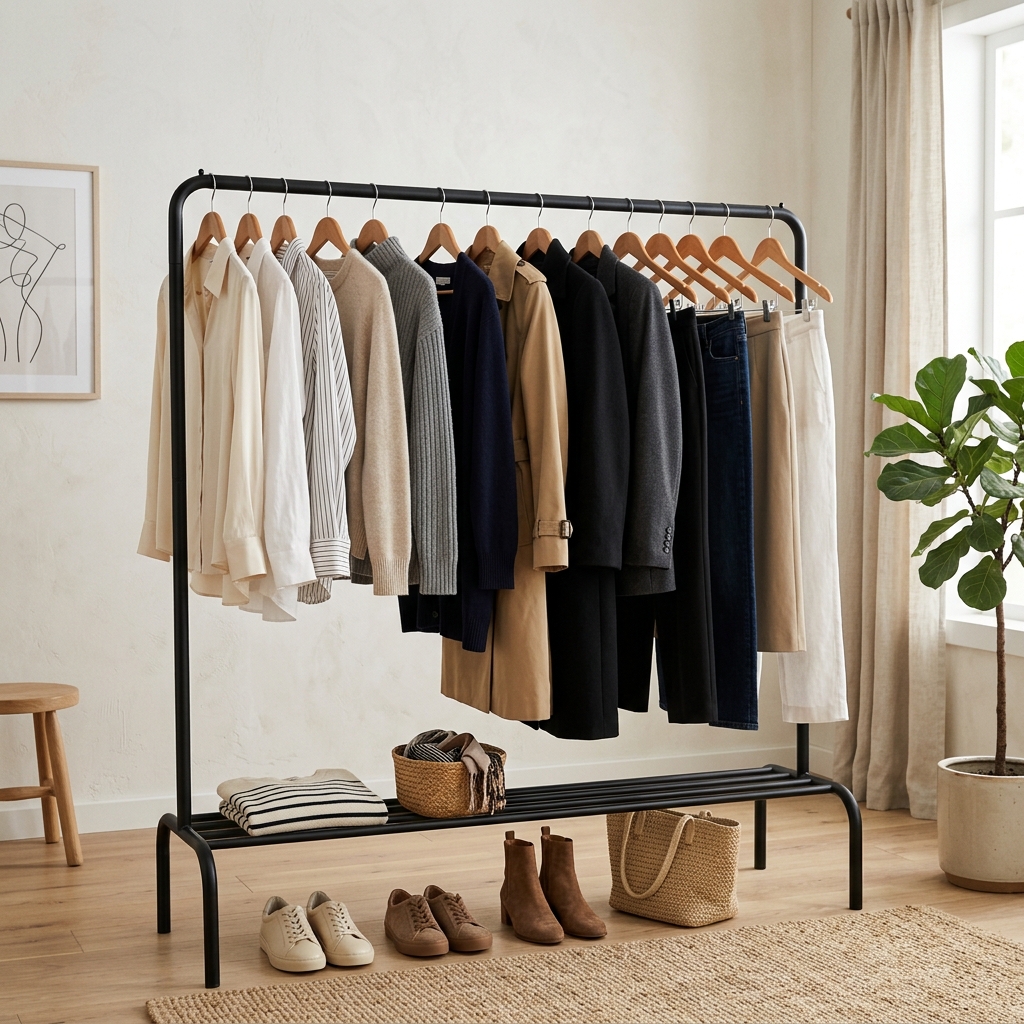
Have you ever opened a closet full of clothes and felt like you had absolutely nothing to wear? This common frustration usually stems from a disconnect between the clothes we buy and our actual personal style. Many of us fall into the trap of purchasing trendy pieces, items on sale, or clothes that look great on someone else, only to find they don’t feel “right” on us. Learning how to find your personal style isn’t about conforming to fashion magazines; it’s about curating a wardrobe that authenticates your identity, fits your lifestyle, and makes you feel confident every day. This guide offers a practical framework to help you discover and refine your unique aesthetic.
Finding your style is a journey of self-discovery. It requires stepping back from the relentless cycle of fast fashion and taking a critical look at what truly resonates with you. It involves understanding your body, your daily needs, and the message you want to project to the world. By following a structured approach, you can transition from a chaotic closet to a curated collection of pieces that you genuinely love to wear.
Step 1: Gather Inspiration and Identify Themes
The first step in finding your personal style is to gather inspiration without any self-censorship or practical constraints. You need to identify what visual elements consistently draw your eye before you start thinking about what to buy or wear.
Create a Mood Board
Start by creating a digital or physical mood board. Use platforms like Pinterest or Instagram to save images of outfits, color palettes, textures, and even interior design or art that appeals to you. Don’t worry about whether a specific outfit would flatter you right now; focus purely on what you find aesthetically pleasing. Over time, as you collect these images, patterns will inevitably emerge. You might notice a recurring preference for tailored blazers, bohemian maxi dresses, minimalist monochromatic looks, or vintage streetwear.
Analyze Your Preferences
Once you have a substantial collection of images, sit down and analyze the common threads. Are you drawn to structured silhouettes or loose, flowing fabrics? Do you favor bold, saturated colors or muted, neutral tones? Understanding color theory in fashion can help you articulate why certain palettes appeal to you and how they might complement your natural coloring. Write down a list of adjectives that describe the vibe of your mood board, words like “classic,” “edgy,” “romantic,” or “utilitarian.” These keywords will become the guiding principles of your personal style.
Step 2: Audit Your Current Wardrobe
Before you can build a wardrobe that reflects your newly identified style, you must confront what is currently hanging in your closet. A thorough wardrobe audit is essential for understanding your past shopping habits and identifying the pieces that truly serve you.
The Three-Pile System
Take everything out of your closet and sort it into three piles: Keep, Donate/Sell, and Store. The “Keep” pile should only contain items that fit well, align with the style adjectives you identified in Step 1, and make you feel confident. The “Donate/Sell” pile is for items that no longer fit, don’t suit your style, or you haven’t worn in over a year. The “Store” pile is for out-of-season clothing or sentimental items you aren’t ready to part with but don’t need everyday access to. This process can be daunting, but clearing out the clutter is necessary to build a capsule wardrobe from scratch.
Identify Your Go-To Uniform
Look closely at the items in your “Keep” pile. These are the pieces you naturally gravitate toward. You likely have a “uniform”: a specific combination of clothing that you wear repeatedly because it’s comfortable and feels like “you.” This might be high-waisted jeans and a striped tee, or a midi skirt with a chunky sweater. Recognizing your uniform is incredibly valuable, as it provides a reliable foundation upon which you can build the rest of your wardrobe. It highlights the silhouettes and formulas that work best for your body and lifestyle.
Step 3: Define Your Lifestyle Needs
Your personal style must exist in reality, not just on a mood board. A closet full of evening gowns is useless if you work from home and spend your weekends hiking. Evaluating your daily life is crucial for ensuring your wardrobe is as functional as it is fashionable.
The Lifestyle Pie Chart
Create a pie chart that represents how you spend a typical week. Divide it into categories such as work, casual weekends, exercise, formal events, and lounging. Your wardrobe should roughly reflect these proportions. If you spend 60% of your time in an office with a business-casual dress code, then 60% of your clothing should be appropriate for that environment. If your closet is disproportionately skewed toward a lifestyle you don’t actually lead, you will constantly struggle to get dressed.
Prioritize Comfort and Functionality
True personal style never compromises on comfort. If a garment looks beautiful but requires constant adjusting, restricts your movement, or causes physical discomfort, it does not belong in your wardrobe. Prioritize fabrics that feel good against your skin and silhouettes that allow you to move freely through your day. Investing in high-quality, comfortable chic wardrobe essentials will ensure that you actually reach for the clothes you buy, rather than leaving them to gather dust.
Step 4: Shop Intentionally and Slowly
With a clear vision of your aesthetic, a streamlined closet, and a realistic understanding of your lifestyle, you are finally ready to add new pieces to your wardrobe. However, the key to maintaining your personal style is to change the way you shop.
Stop buying items simply because they are on sale or because they are a current trend. When you do shop, do so intentionally. Keep a running list of specific items that are missing from your wardrobe, perhaps a well-tailored trench coat or a pair of classic loafers, and only purchase those items. When considering a new piece, ask yourself if it fits your style adjectives, if it serves a purpose in your lifestyle pie chart, and if you can immediately think of three different ways to wear it with items you already own. By shopping slowly and deliberately, you will build a cohesive wardrobe that truly reflects who you are.
Frequently Asked Questions
How long does it take to find my personal style?
Finding your personal style is not an overnight process; it can take months or even years of experimentation. It’s a continuous evolution as your tastes, lifestyle, and body change over time.
Do I have to stick to just one style aesthetic?
Absolutely not. Many people blend two or three aesthetics, such as “minimalist bohemian” or “classic edgy.” Your style should reflect your multifaceted personality, not restrict you to a single box.
What if I love a trend that doesn’t fit my style words?
If you love a trend, find a way to incorporate it that feels authentic to you. You can try a trendy color in an accessory, or wear a trendy silhouette in a classic fabric. The goal is adaptation, not imitation.
How do I stop impulse buying clothes I don’t need?
Always shop with a specific list, and implement a “cooling-off period.” If you see something you want, wait 24 to 48 hours before buying it. Often, the urge to purchase will pass, saving you from a regretful impulse buy.
Is it expensive to build a personal style?
It can actually save you money in the long run. By knowing your style, you stop wasting money on clothes you never wear. You learn to invest in fewer, higher-quality pieces that last longer and bring you more joy.
Ready to Transform Your Wardrobe?
Finding your style is just the beginning. Organize your closet, plan your outfits, and embrace a smarter, more sustainable approach to fashion with our digital styling assistant.